

Depression Can Be Driven by SIBO

Depression Can Be Driven by SIBO

Research shows that bacterial endotoxins in the bloodstream can rapidly trigger depressive symptoms, even in people with no prior history of depression.

Research shows that bacterial endotoxins in the bloodstream can rapidly trigger depressive symptoms, even in people with no prior history of depression.

Residential Plumbing

Unrecognized Gut Inflammation

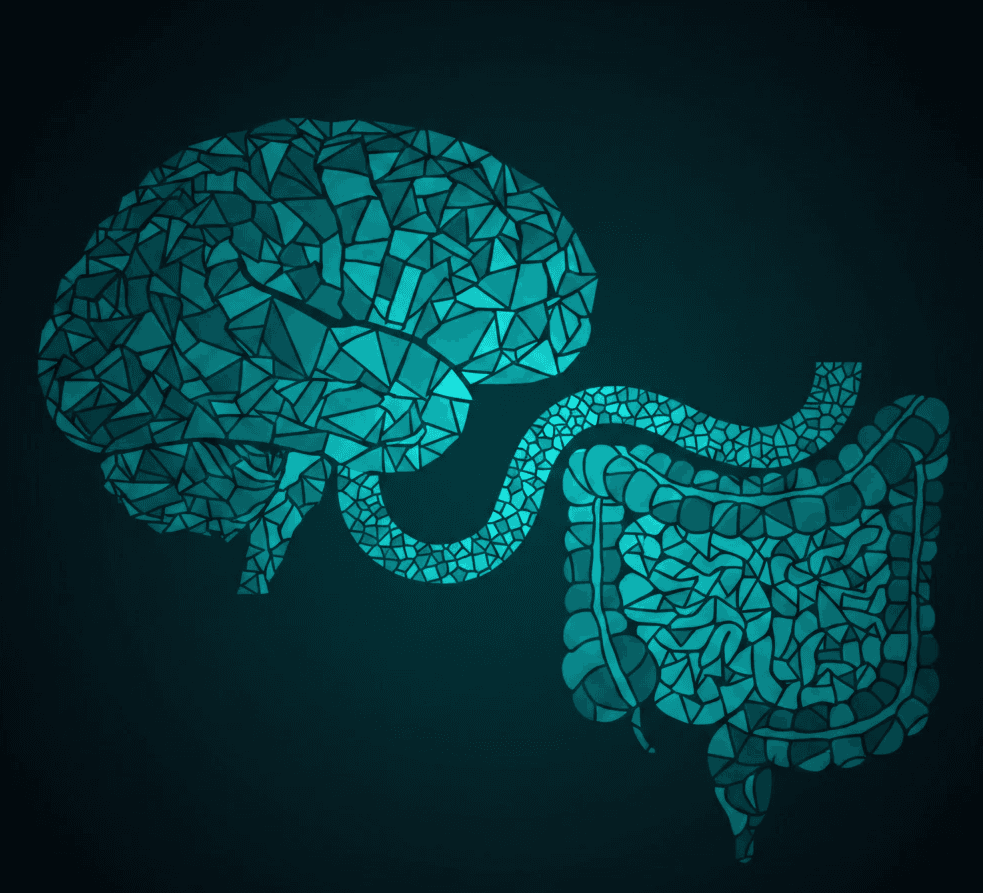
Bacterial overgrowth in the gut releases endotoxins that enter the bloodstream, triggering systemic inflammation that can affect the brain.

Unrecognized Gut Inflammation

Bacterial overgrowth in the gut releases endotoxins that enter the bloodstream, triggering systemic inflammation that can affect the brain.

Unrecognized Gut Inflammation

Bacterial overgrowth in the gut releases endotoxins that enter the bloodstream, triggering systemic inflammation that can affect the brain.

Endotoxemia Reaches the Brain

Human studies show that endotoxins can induce depressive symptoms within hours, with measurable changes seen on brain imaging.

Endotoxemia Reaches the Brain

Human studies show that endotoxins can induce depressive symptoms within hours, with measurable changes seen on brain imaging.

Endotoxemia Reaches the Brain

Human studies show that endotoxins can induce depressive symptoms within hours, with measurable changes seen on brain imaging.

Address the Root Cause

When gut overgrowth and endotoxin exposure are reduced, inflammatory signaling to the brain can decrease, supporting mood and mental clarity.

Address the Root Cause

When gut overgrowth and endotoxin exposure are reduced, inflammatory signaling to the brain can decrease, supporting mood and mental clarity.

Address the Root Cause

When gut overgrowth and endotoxin exposure are reduced, inflammatory signaling to the brain can decrease, supporting mood and mental clarity.

Expert Plumber
Expert Plumber
Expert Plumber

How Endotoxemia Affects the Brain

Endotoxemia occurs when endotoxins released by bacteria enter the bloodstream. These toxins are often the result of bacterial overgrowth in the gut, such as SIBO, combined with increased intestinal permeability.

Multiple human studies have demonstrated a striking effect. When non-depressed individuals were given intravenous endotoxin, they developed clinical symptoms of depression within hours. Brain imaging revealed changes consistent with depressive states, including altered activity in regions that regulate mood, motivation, and emotional processing.

This tells us something critical. Depression can be driven by inflammatory signals coming from outside the brain.

Why Depression Is Rarely Linked to the Gut

Conventional approaches to depression focus almost exclusively on neurotransmitters and brain chemistry. The role of systemic inflammation, particularly inflammation originating in the gut, is rarely considered.

As a result, people may be treated for years without anyone investigating whether bacterial overgrowth, endotoxemia, or microbial imbalance is contributing to their symptoms.

When the source of inflammation remains unaddressed, improvement is often incomplete or temporary.

Expert Plumber
Expert Plumber
Expert Plumber

What Changes When You Address the Source

When endotoxin exposure is reduced, inflammatory signaling to the brain decreases. In many cases, this leads to improvements in mood, clarity, motivation, and emotional resilience.


Addressing the gut does not replace all other considerations, but it can be a missing piece for people who feel stuck or who have not responded fully to conventional approaches.


Understanding how endotoxemia develops, how to recognize it, and how to reduce it safely is essential for lasting change.

Want to learn more?
Dr. William Davis, MD

Dr. William Davis, MD

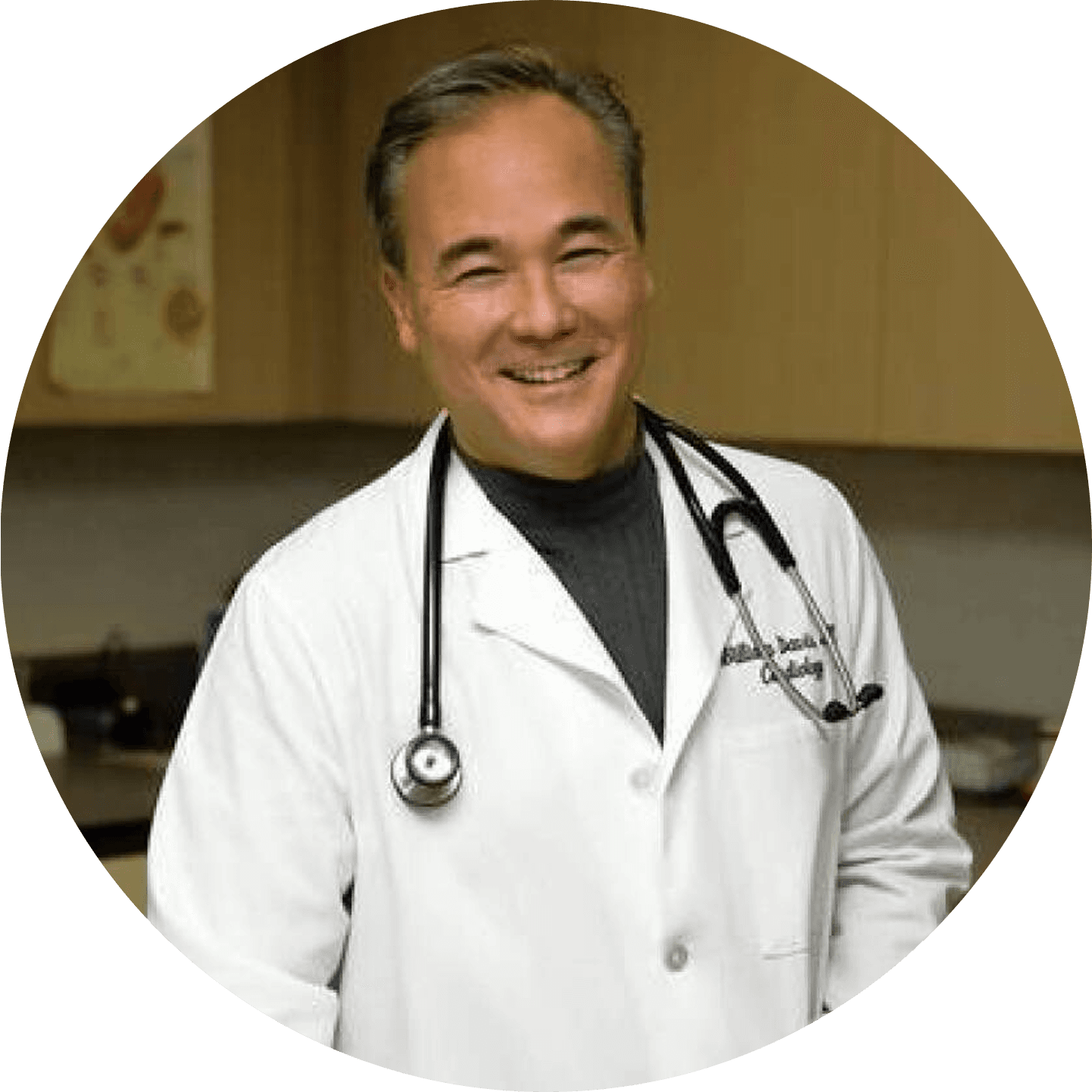
Dr. William Davis is a cardiologist, bestselling author, and pioneer of the microbiome. His work has reshaped how we understand the role of gut bacteria in inflammation, mood, metabolism, and chronic disease.

Through decades of research and clinical experience, he has helped millions uncover what modern medicine often overlooks.

Dr. William Davis is a cardiologist, bestselling author, and pioneer of the microbiome. His work has reshaped how we understand the role of gut bacteria in inflammation, mood, metabolism, and chronic disease.

Through decades of research and clinical experience, he has helped millions uncover what modern medicine often overlooks.

Understanding the connection between gut bacteria, endotoxemia, and mood is only the first step. Applying this knowledge safely and effectively requires deeper education and ongoing guidance.

That is the role of the Inner Circle.

Understanding the connection between gut bacteria, endotoxemia, and mood is only the first step. Applying this knowledge safely and effectively requires deeper education and ongoing guidance.

That is the role of the Inner Circle.

Understanding the connection between gut bacteria, endotoxemia, and mood is only the first step. Applying this knowledge safely and effectively requires deeper education and ongoing guidance.

That is the role of the Inner Circle.

Inside the Inner Circle, members gain access to:

Inside the Inner Circle, members gain access to:

Hundreds of clear, easy-to-follow educational videos covering gut health, inflammation, and the microbiome
Practical health protocols that translate complex science into real-world action.
Weekly two-way Zoom sessions where members can ask Dr. Davis questions directly
Ongoing updates as new research and clinical insights emerge.

Your questions, answered

Knowledge is the foundation of better health. Here are answers to common questions to help you understand the science more clearly.

Is depression really linked to gut bacteria?

Yes. Research shows that bacterial endotoxins entering the bloodstream can trigger inflammatory responses in the brain that are associated with depressive symptoms, even in people with no prior history of depression.

What is endotoxemia?

Why hasn’t my doctor mentioned this?

What is the Inner Circle?

Is depression really linked to gut bacteria?

Yes. Research shows that bacterial endotoxins entering the bloodstream can trigger inflammatory responses in the brain that are associated with depressive symptoms, even in people with no prior history of depression.

What is endotoxemia?

Why hasn’t my doctor mentioned this?

What is the Inner Circle?

Is depression really linked to gut bacteria?

Yes. Research shows that bacterial endotoxins entering the bloodstream can trigger inflammatory responses in the brain that are associated with depressive symptoms, even in people with no prior history of depression.

What is endotoxemia?

Why hasn’t my doctor mentioned this?

What is the Inner Circle?

Want to Go Deeper?

Inside the Inner Circle, Dr. Davis teaches how gut bacteria, endotoxemia, and inflammation influence mood and mental health, and how restoring microbial balance can support long-term wellbeing.

Want to Go Deeper?

Inside the Inner Circle, Dr. Davis teaches how gut bacteria, endotoxemia, and inflammation influence mood and mental health, and how restoring microbial balance can support long-term wellbeing.

Want to Go Deeper?

Inside the Inner Circle, Dr. Davis teaches how gut bacteria, endotoxemia, and inflammation influence mood and mental health, and how restoring microbial balance can support long-term wellbeing.

Dr. William Davis
Cardiologist + Bestselling Author. Leader in Microbiome Science. 

© 2026 - Track Your Plaque, LLC

Dr. William Davis
Cardiologist + Bestselling Author. Leader in Microbiome Science. 

© 2026 - Track Your Plaque, LLC

Dr. William Davis
Cardiologist + Bestselling Author. Leader in Microbiome Science. 

© 2026 - Track Your Plaque, LLC