






Why Anxiety is Not Always a Brain Problem
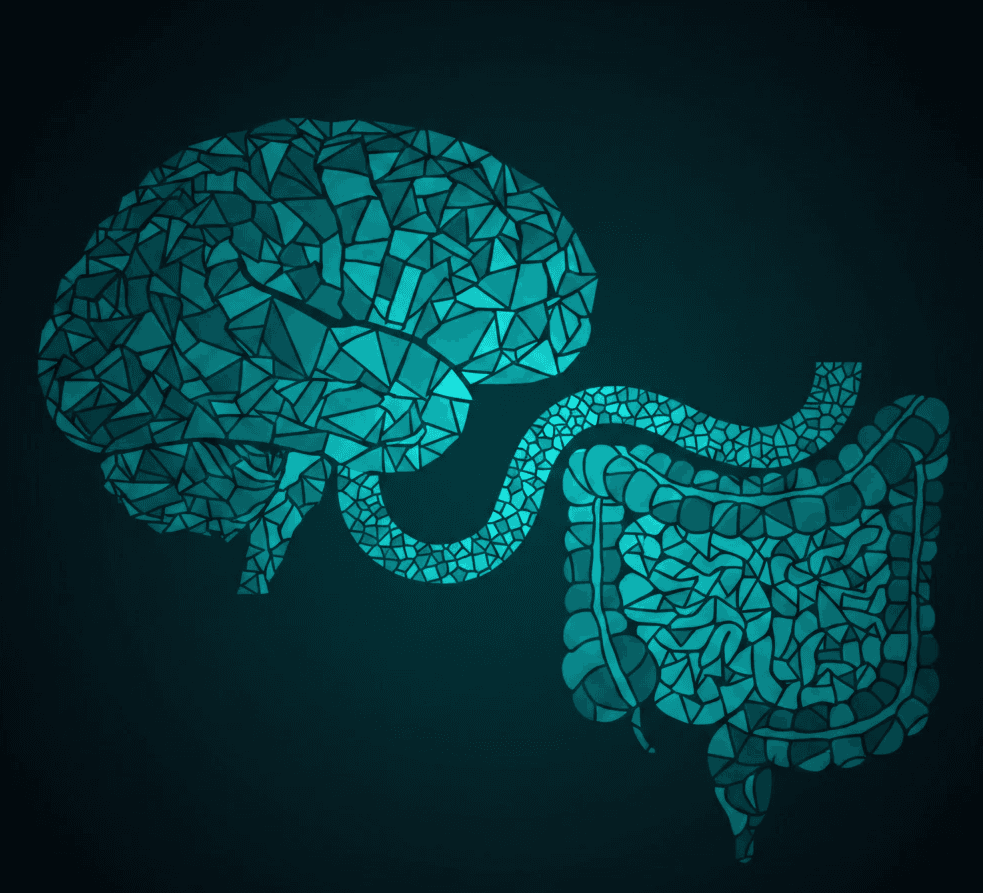
Anxiety is often treated as a purely psychological or neurological issue. But growing evidence shows that gut microbes play a powerful role in regulating mood, stress response, and emotional resilience.
Signals originating in the gut influence inflammation, neurotransmitter production, and the vagus nerve, a major communication pathway between the gut and the brain. When the gut ecosystem becomes disrupted, anxiety can be the result.
Why Anxiety is Treated in Isolation
Most anxiety treatments focus on neurotransmitters in the brain while ignoring upstream drivers coming from the gut.
As a result, people may experience partial relief without addressing the biological stress signals that continue to fuel anxiety beneath the surface.
Without understanding microbial balance, anxiety can remain persistent or return despite best efforts.

Calming the
Gut-Brain Axis
When key microbes are restored and bacterial and fungal overgrowth are addressed, inflammatory signaling to the brain can decrease.
This often supports improved mental stability, reduced baseline anxiety, better stress tolerance, clearer thinking and a calmer mood.
Addressing the gut does not replace all other approaches, but it can be a critical missing piece for long-term relief.
Want to learn more?

Hundreds of clear, easy-to-follow educational videos covering gut health, inflammation, and the microbiome
Your questions, answered
Knowledge is the foundation of better health. Here are answers to common questions to help you understand the science more clearly.