


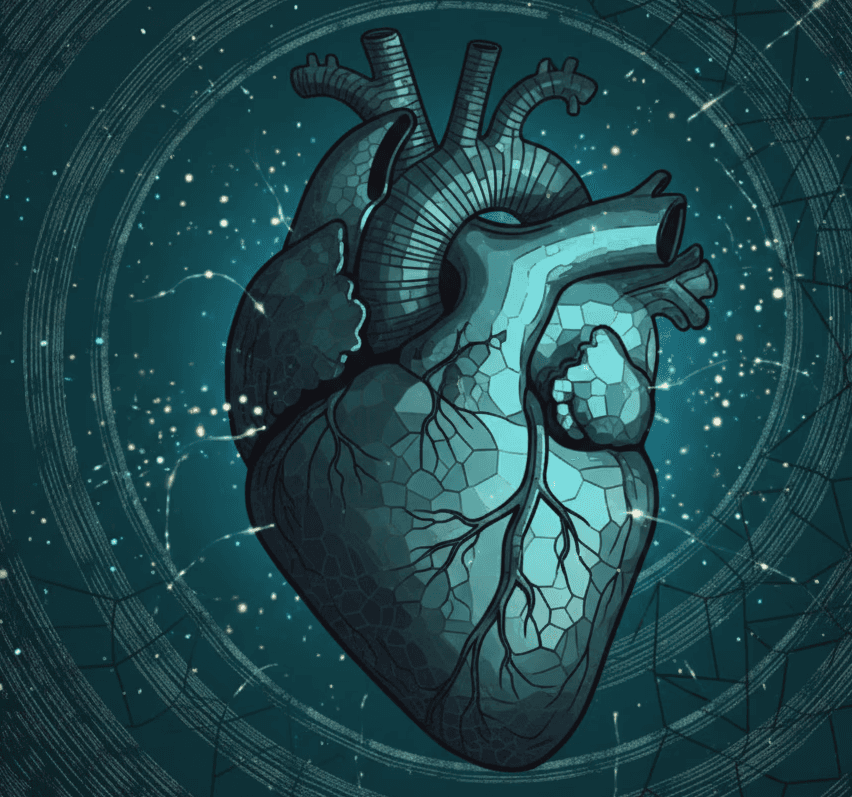




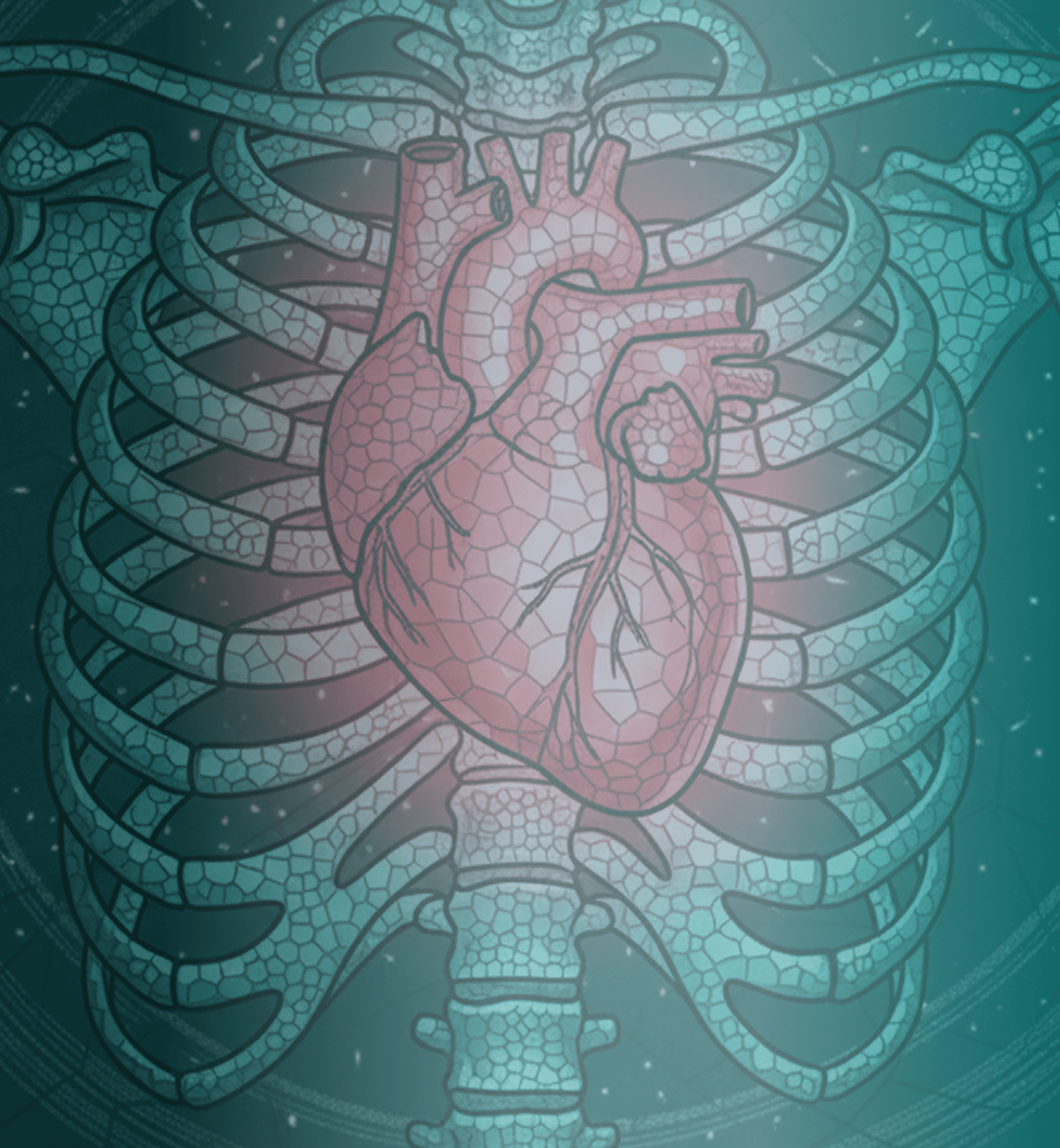
What "Heart Disease" Really Means
When most people talk about heart disease, they are referring to coronary artery disease. This is the buildup of atherosclerotic plaque in the coronary arteries that leads to heart attacks, stents, bypass surgery, and sudden cardiac death.
Contrary to popular belief, this disease does not progress simply because of cholesterol. It progresses because of inflammatory lipoproteins, metabolic dysfunction, and microbial toxins that damage the artery wall.
Why Cholestrol Became the Focus
Cholesterol became a stand-in marker decades ago, long before medicine had the tools to measure the actual particles that cause coronary disease.
As cholesterol-lowering drugs entered the market, this simplified marker was mistaken for the cause itself. The result is a system focused on managing numbers rather than preventing or reversing disease.
Modern imaging studies now show that lowering cholesterol alone does not regress coronary plaque.
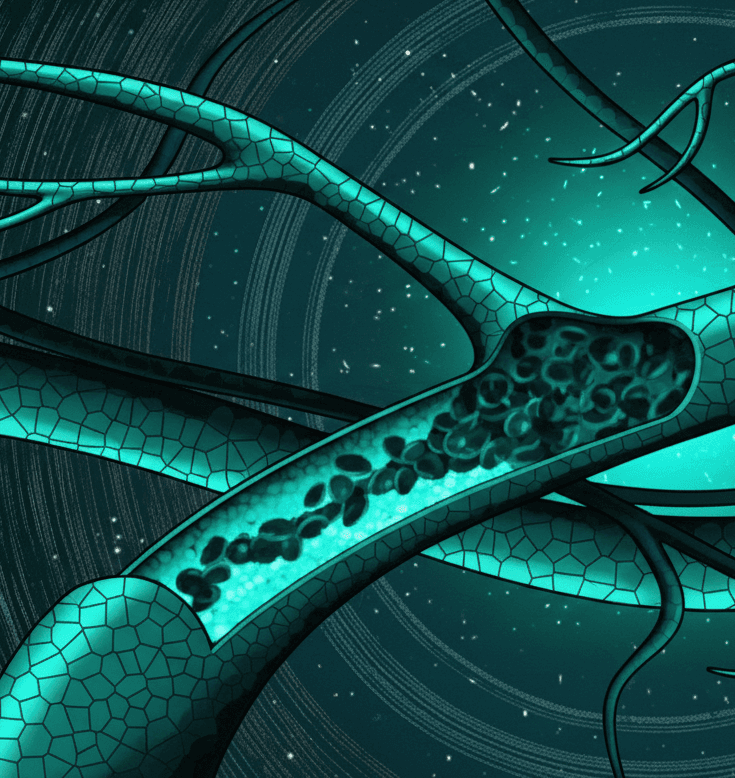
What Actualy Drives Coronary Disease
Coronary artery disease is driven primarily by: Small LDL and VLDL particles that provoke inflammation, insulin resistance, and chronic inflammation, and endotoxemia.
These factors damage the artery wall, inflame plaque, and make it prone to rupture, which is what actually causes heart attacks.
Want to learn more?

Hundreds of clear, easy-to-follow educational videos covering gut health, inflammation, and the microbiome
Your questions, answered
Knowledge is the foundation of better health. Here are answers to common questions to help you understand the science more clearly.